


Product Description
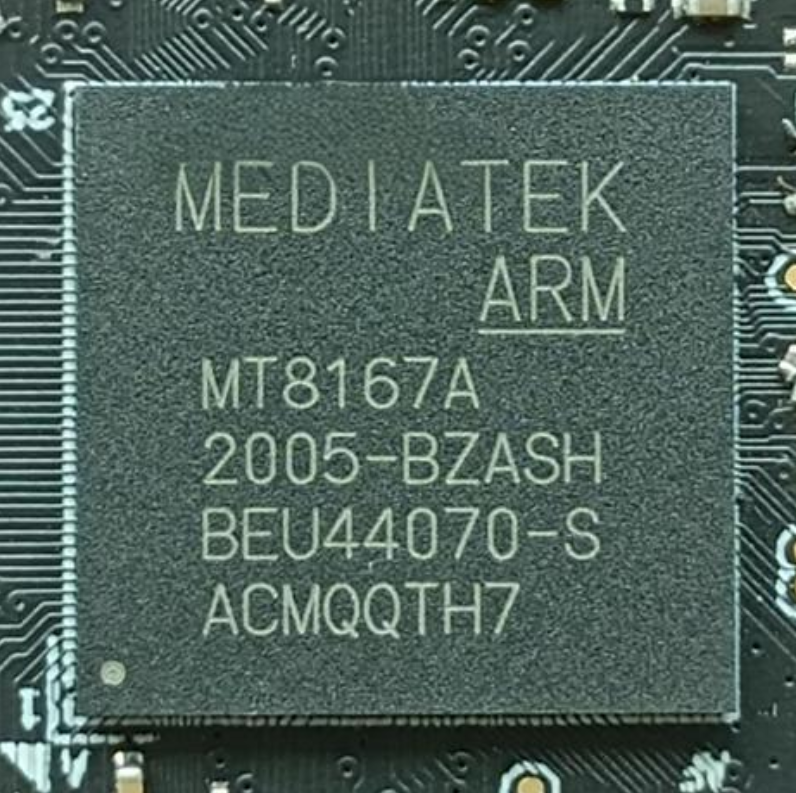
The MediaTek MT2625DPA/B is an advanced IoT-focused system-on-chip (SoC) designed for use in cellular-connected applications. Built with an eye toward energy efficiency and robust connectivity, it is an ideal choice for devices in the Internet of Things (IoT), wearables, and smart home markets, among others. The chipset’s integration of cellular connectivity, low-power design, and security features makes it a comprehensive solution for IoT devices that need to operate reliably in remote or urban environments while maintaining secure communication.
At the core of the MT2625DPA/B is the ARM Cortex-A7 processor, a low-power yet capable architecture that handles the necessary computational tasks without consuming too much power. This makes it especially useful for IoT devices that require continuous operation, such as asset trackers, environmental sensors, or smart meters. The processor’s power efficiency ensures extended battery life, a critical requirement for devices that may be deployed in the field and need to function autonomously for long periods without frequent charging.
Connectivity is another strong point of the MT2625DPA/B, as it supports 2G, 3G, and 4G LTE networks, including Cat-1 LTE speeds (up to 10 Mbps download and 5 Mbps upload). This makes it suitable for a wide range of applications requiring reliable and scalable data transmission. Voice over LTE (VoLTE) support ensures that devices can also handle high-quality voice calls, which is essential for applications that require real-time communication, such as connected healthcare devices or smart home security systems. Additionally, the chipset’s dual SIM support provides flexibility for devices that need to maintain simultaneous connections to different networks, ensuring more reliable coverage in regions with varying network quality.
The MT2625DPA/B includes integrated GNSS (GPS/GLONASS) support, which allows devices to track location in real time. This is a key feature for asset tracking, fleet management, and any application where precise geolocation is crucial. By integrating GPS and GLONASS, the chipset can achieve accurate positioning even in challenging environments where one satellite system may not provide sufficient coverage.
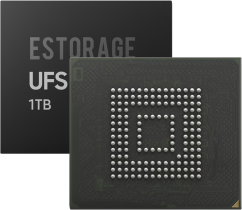
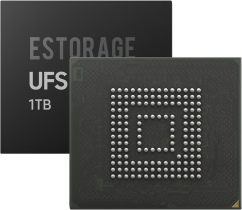
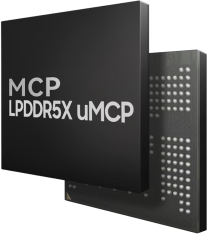
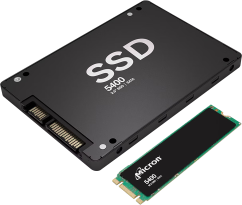
In terms of memory and storage, the MT2625DPA/B supports LPDDR2 RAM and eMMC storage, making it capable of handling moderate amounts of data and running embedded IoT applications. The chipset’s ability to manage power and storage efficiently ensures that it can run on battery-powered devices without depleting the power supply quickly. This makes it a good fit for devices like smart sensors, wearables, and industrial IoT equipment that need to process data, communicate over the network, and store logs or sensor data locally.
When it comes to security, the MT2625DPA/B includes essential features to protect both the device and user data. The secure boot ensures that the system can only load verified firmware, protecting against unauthorized code execution or malware attacks. Additionally, the chipset’s hardware encryption secures data both in transit (over the cellular network) and at rest (on the device), preventing data interception or tampering. The trusted execution environment (TEE) adds another layer of security by providing a dedicated, isolated area for sensitive operations such as authentication and encryption, ensuring that critical functions are protected from vulnerabilities.
The chipset’s low power consumption, combined with integrated power management, makes it suitable for battery-operated IoT devices that need to operate continuously. Its energy-efficient design, coupled with its ability to support essential connectivity features like LTE and GNSS, positions the MT2625DPA/B as a reliable solution for a broad range of IoT use cases. Devices that utilize this chipset can operate in remote or harsh environments, where power constraints and connectivity reliability are major concerns.
In conclusion, the MediaTek MT2625DPA/B provides a robust, low-power solution for IoT devices requiring cellular connectivity. Its support for LTE, VoLTE, dual SIM, and GNSS makes it highly versatile for connected applications, while its security features, such as hardware encryption and secure boot, ensure data integrity and safety. Whether used for asset tracking, smart wearables, or industrial IoT applications, the MT2625DPA/B offers an efficient, secure, and reliable platform for the next generation of connected devices.
Specification
Connectivity:
Cellular Support: The MT2625DPA/B supports 2G (GSM/EDGE), 3G (WCDMA/HSPA), and 4G LTE (Cat-1), which provides download speeds of up to 10 Mbps and upload speeds up to 5 Mbps. This allows for reliable data communication in remote and urban environments, suitable for IoT applications requiring moderate to high-speed data transmission.
VoLTE Support: The chipset supports Voice over LTE (VoLTE), which enables high-quality voice calls over the LTE network, providing clear audio and low-latency communication. This is particularly useful in use cases where both data and voice capabilities are required in real-time, such as for connected healthcare devices, security systems, or smart home devices.
Dual SIM Support: The MT2625DPA/B offers dual SIM functionality, enabling the device to simultaneously connect to two cellular networks. This can be helpful for regions with inconsistent network coverage or for devices that require redundancy to maintain always-on connectivity.
Global Navigation Satellite System (GNSS): The chipset integrates GNSS (GPS, GLONASS), supporting location-based services. It provides accurate geolocation data, making it ideal for asset tracking, fleet management, or outdoor IoT applications that require real-time location tracking.
Processing and Power Management:
ARM Cortex-A7 Processor: The MT2625DPA/B uses an ARM Cortex-A7 processor which is optimized for low-power operation while still providing enough processing power to handle data transmission, basic computing tasks, and sensor data processing for IoT applications.
Power Efficiency: The SoC integrates an integrated power management unit (PMU) that ensures energy efficiency across all components. This PMU adjusts power supply to various parts of the chipset, optimizing battery life for devices that need to operate for extended periods in the field. The low-power architecture makes it suitable for devices that are battery-operated and require continuous operation.
Memory and Storage: The MT2625DPA/B supports LPDDR2 RAM (up to 512MB) and eMMC storage (up to 32GB), providing enough memory and storage capacity for data processing and IoT application data storage, such as sensor readings, location data, and logs.
Security:
Hardware Encryption: The MT2625DPA/B provides hardware-based encryption for data security, ensuring that data transmitted over cellular networks is securely encrypted, protecting user data and application data from unauthorized access.
Secure Boot: The chipset supports secure boot functionality, ensuring that only trusted and verified firmware is loaded during the boot process, which prevents malicious code or unauthorized firmware from compromising the device.
Trusted Execution Environment (TEE): The MT2625DPA/B includes a trusted execution environment (TEE), which provides a secure area within the device for sensitive operations, such as secure authentication and encryption. This makes the chipset ideal for use in applications that require protection for sensitive data, including healthcare devices and financial transactions.
Additional Features:
Audio and Video Codec Support: The MT2625DPA/B supports audio and video codecs, enabling devices to handle multimedia content, such as voice calls or video streaming. This is useful for video surveillance systems, voice-enabled IoT devices, and remote communication applications.
Peripheral Interfaces: The chipset supports a range of peripheral interfaces, including I2C, SPI, UART, and GPIO, for connecting sensors and actuators. This makes it versatile for various IoT applications, including industrial monitoring, environmental sensors, or smart home automation systems.