


Product Description
The MediaTek MT6580A/WPA is a quad-core SoC designed for entry-level to mid-range smartphones. Manufactured using a 28nm process, it integrates a mix of performance, multimedia, connectivity, and power-efficient features, making it an ideal choice for budget smartphones.
The heart of the MT6580A/WPA is the quad-core ARM Cortex-A7 processor, clocked at 1.3 GHz, which balances performance and energy consumption. These Cortex-A7 cores provide a responsive experience for basic tasks such as browsing, email, social media, and light multitasking. While the A7 cores are not the latest or most powerful option available, they are perfectly suitable for users who do not require high-end performance. The ARMv7-A architecture and NEON SIMD support enhance the multimedia experience, particularly in terms of audio and video processing.
The inclusion of the Mali-400 MP2 GPU ensures that the MT6580A/WPA can handle basic 3D gaming and HD video playback without difficulty. It can efficiently drive displays up to 720p resolution, providing a decent viewing experience for most users. The Mali-400 is somewhat dated and lacks the raw power of newer GPUs like the Mali-T860 or Adreno 506, but it remains a capable graphics processor for budget smartphones, capable of running casual games and media apps.
For memory, the MT6580A/WPA supports up to 2 GB of LPDDR3 RAM, which is sufficient for light to moderate multitasking. This allows for running multiple apps, browsing, and using social media without significant slowdowns. The 533 MHz memory speed, while lower than more modern SoCs, is still adequate for most standard tasks. In terms of storage, the SoC supports eMMC 4.5, providing speeds suitable for budget smartphones. The microSD card support allows for expanding storage up to 64 GB, making it easy for users to store photos, music, and videos without running out of space.
The 3G HSPA+ connectivity is a standout feature, offering reliable data speeds for basic internet tasks such as browsing, social media, and video streaming. While 4G LTE is becoming more common in smartphones, HSPA+ speeds of up to 21 Mbps (downlink) and 5.76 Mbps (uplink) are still sufficient for the majority of users in regions where 4G may not be available or widely adopted. The inclusion of Wi-Fi 802.11 b/g/n allows for reliable wireless internet access in homes and public spaces, while Bluetooth 4.0 provides support for peripherals like wireless headphones, fitness bands, and speakers.
In terms of multimedia and camera features, the MT6580A/WPA supports up to 8 MP rear camera sensors, allowing users to capture basic photos and videos. While the camera lacks advanced features such as OIS or PDAF, it is adequate for casual photography. The 720p video recording is a standard feature for budget smartphones, offering decent video quality for everyday use. For video calls and selfies, the 2 MP front camera suffices, though it is not ideal for high-quality images.
The SoC supports displays up to 720p HD resolution, which is more than adequate for devices aimed at the budget market. The combination of LCD and IPS displays ensures that the MT6580A/WPA can drive clear and vibrant screens, with IPS offering better viewing angles and color accuracy compared to basic TFT LCD displays.
Finally, the MT6580A/WPA is designed to be power-efficient, thanks to the low-power nature of the Cortex-A7 cores. The SoC’s energy efficiency, combined with dynamic voltage and frequency scaling (DVFS), helps to extend battery life, making it suitable for smartphones with medium-sized batteries in the 2000-3000 mAh range. This results in all-day battery life under light to moderate use, allowing users to go through the day with fewer concerns about charging.
In summary, the MediaTek MT6580A/WPA is a well-rounded solution for budget and mid-range smartphones. It offers a solid combination of performance, connectivity, and multimedia capabilities, making it suitable for consumers who need a smartphone for everyday tasks such as browsing, social media, media consumption, and light gaming. With its energy-efficient design, it provides good battery life, ensuring users can rely on their device throughout the day. While it may not meet the needs of power users or those requiring high-end features, it delivers value for its price range.
Specification
CPU Architecture:
The quad-core ARM Cortex-A7 CPU is clocked at 1.3 GHz per core, which is built on a 28nm process. Cortex-A7 is an energy-efficient architecture, designed to deliver good performance for general smartphone tasks while keeping power consumption relatively low. The A7 cores are not as powerful as newer architectures like Cortex-A53 or Cortex-A73, but they offer sufficient performance for budget-friendly smartphones, capable of handling light multitasking, web browsing, and media consumption.
The A7 cores are based on the ARMv7-A instruction set and support NEON SIMD (Single Instruction, Multiple Data), which provides better multimedia processing performance, especially for audio and video tasks.
Graphics Processing Unit (GPU):
The Mali-400 MP2 GPU integrates two cores and is responsible for graphics processing, offering performance that is well-suited for 2D/3D graphics, basic gaming, and HD video playback. The GPU supports OpenGL ES 2.0, making it compatible with most apps and games targeting mid-range devices.
While the Mali-400 MP2 can handle 720p video playback with ease, its performance is somewhat limited when it comes to more demanding 3D games or 1080p video decoding. For light gaming and media consumption, however, it provides a solid experience.
Memory and Storage:
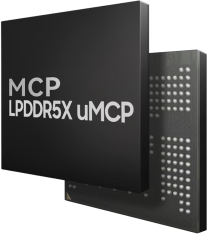
The MT6580A/WPA supports up to 2 GB of LPDDR3 RAM, which is sufficient for light multitasking and general smartphone use. The RAM operates at a 533 MHz clock speed, ensuring smooth performance for basic tasks like browsing, social media, and light app usage. However, running multiple resource-intensive apps simultaneously may cause the device to slow down.
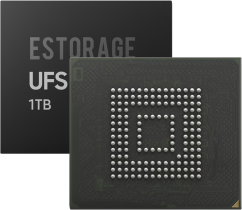
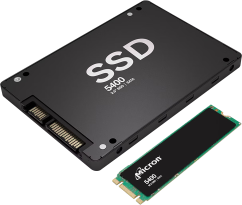
On the storage side, the MT6580A/WPA supports eMMC 4.5 storage up to 32 GB, with the option for microSD card expansion (up to 64 GB). This flexibility allows users to store apps, photos, music, and videos, while expandable storage helps mitigate the limited internal space for users who require more storage.
Connectivity:
The 3G HSPA+ connectivity supports download speeds of up to 21 Mbps and upload speeds of up to 5.76 Mbps, which is adequate for browsing, social media, and streaming video. While it does not support 4G LTE, the 3G speeds are sufficient for daily mobile data needs in regions where 4G coverage is limited or unavailable.
The MT6580A/WPA also includes Wi-Fi 802.11 b/g/n, providing support for standard wireless internet connectivity. Bluetooth 4.0 is supported, allowing for wireless connection to peripheral devices such as headsets, fitness trackers, or speakers. Additionally, FM Radio functionality is included, enabling users to listen to local radio stations without consuming data.
Camera Support:
The SoC supports rear camera sensors of up to 8 MP and front cameras up to 2 MP, allowing users to capture basic images and videos. The rear camera can record 720p video, which is standard for budget devices. The MT6580A/WPA lacks advanced camera features like optical image stabilization (OIS) or phase detection autofocus (PDAF), but it is suitable for casual photography and video calls.
Display Support:
The MT6580A/WPA supports display resolutions of up to 720p (1280x720 pixels), providing a sharp enough experience for most users on budget smartphones. This resolution ensures clear visuals for watching videos, browsing, and using apps. It supports both LCD and IPS display technologies, with IPS panels providing better viewing angles and color reproduction, making it a good option for mid-range smartphones.
Power Management:
The MT6580A/WPA’s energy-efficient design helps optimize power consumption, which is critical in mid-range smartphones. The ARM Cortex-A7 cores are known for their relatively low power consumption, helping to extend battery life even in devices with 2000-3000 mAh batteries. The chip also supports various power-saving techniques such as dynamic voltage and frequency scaling (DVFS), adjusting performance according to workload to reduce power consumption during light tasks.